0755-27781532-8010; 02988446863














Oct 24, 2026
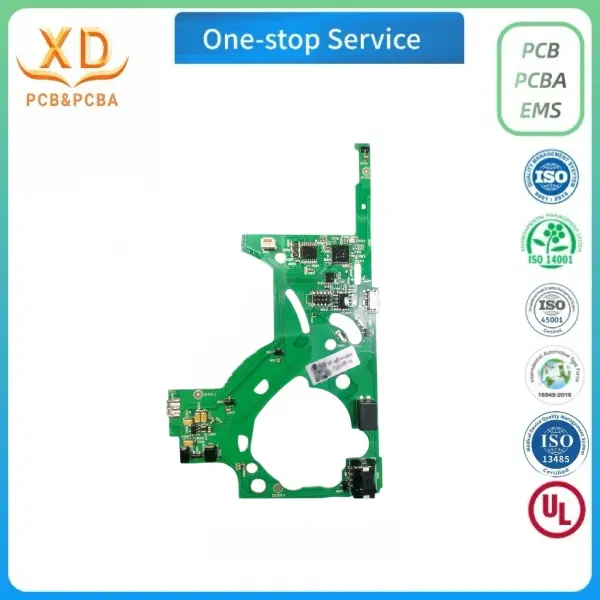
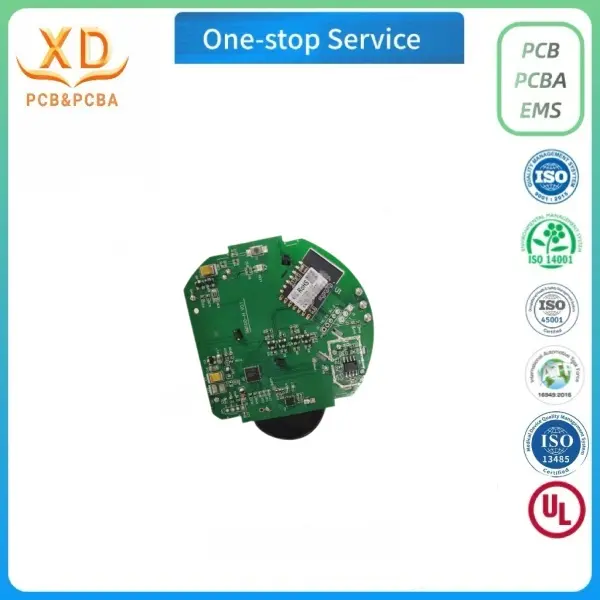
One-Stop Fire Alarm PCBA Assembly Service Supports Custom Fire Safety Solutions
Oct 31
Intelligent Browse: 0
Introduction
Recently, Xingda Group has officially established a long-term and stable partnership for PCB & PCBA services with one fire alarm system
manufacturer. The two parties launched their first project cooperation in 2026. The customer specializes in fire detection controllers and
addressable fire alarm panels and found Xingda Group through online research during the new product development phase.
Prior to this cooperation, the customer's original circuit board supplier failed to meet the high reliability requirements for fire alarm
products. Problems included unstable sensor signal acquisition, inconsistent threshold triggering among batches, electromagnetic
interference affecting communication modules, and a high rate of cold solder joints. After shipment, the products suffered frequent
after-sales failures such as occasional false alarms, failure to report alarm locations and offline communication faults, which severely
delayed the launch of new products. The customer was in urgent need of a one-stop manufacturing partner capable of customized
PCB fabrication, SMT assembly and finished product testing.
To tackle these pain points, XingDa Group carried out targeted optimization from PCB layout, material selection and assembly process.
The engineering team redesigned the board layout with strict isolation between low-voltage sensor signal circuits and high-power drive
circuits to suppress electromagnetic interference. High-Tg FR-4 substrate and heavy copper traces were adopted to guarantee thermal
stability under harsh working conditions. During SMT production, XingDa implemented optimized soldering profiles and enhanced AOI
+ X-ray inspection to eliminate cold solder joints. In addition, we introduced batch consistency calibration for sensor sampling circuits
and built a dedicated ageing test station for fire alarm PCBA. Every finished board goes through simulated smoke/heat signal verification,
long-duration communication stability test and alarm trigger validation before delivery.
With these improvements, false alarm rates and communication offline issues have been greatly reduced, batch consistency is significantly
improved, helping the customer successfully push the new fire alarm controller to market on schedule.
Label: