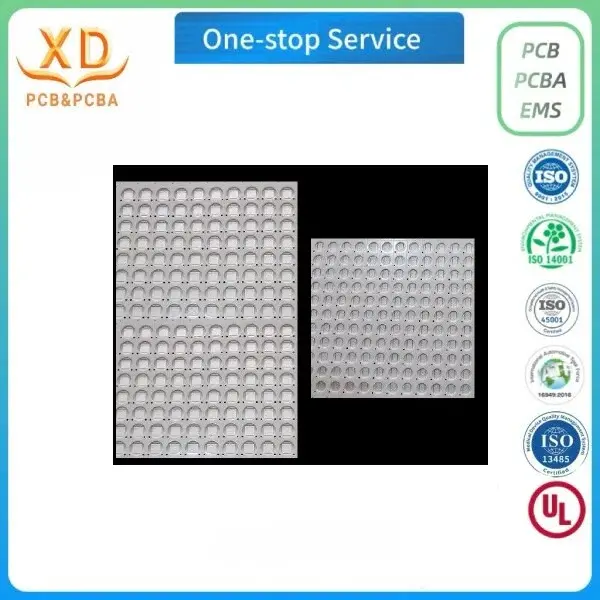
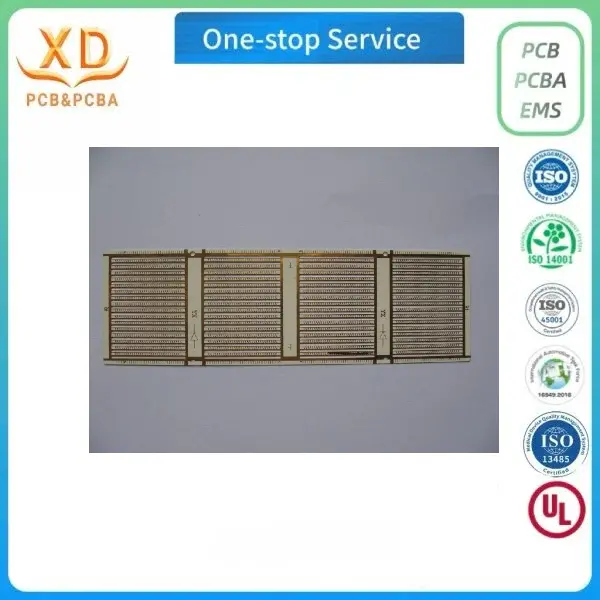
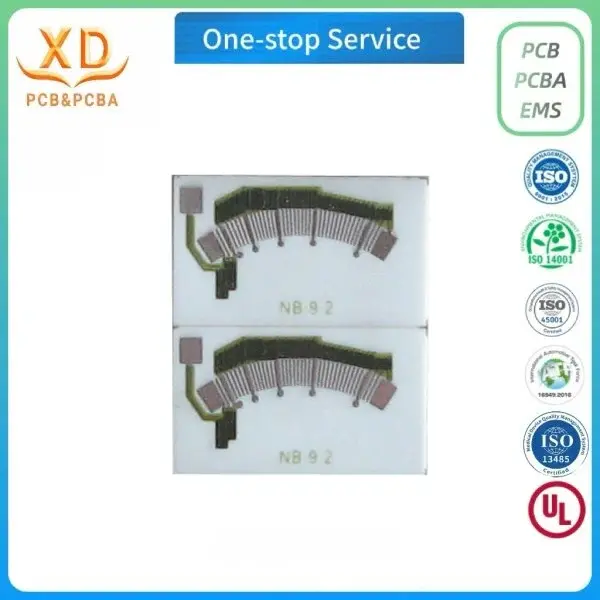
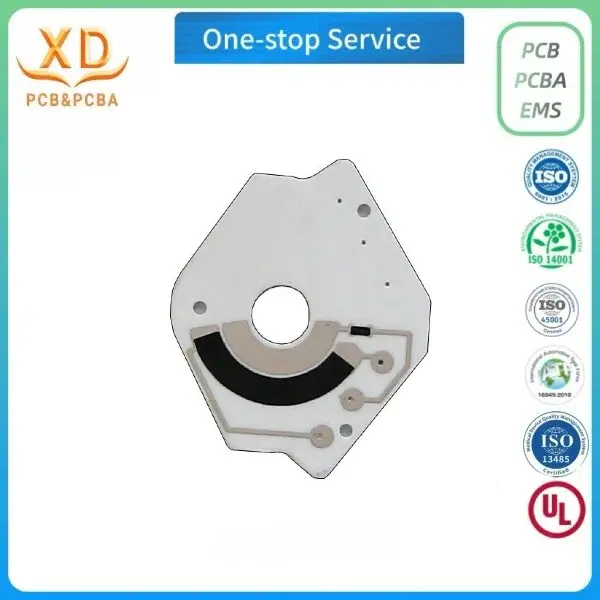
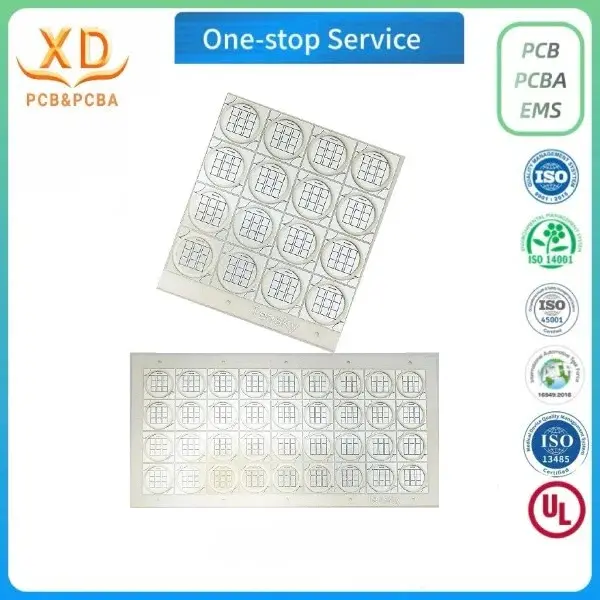
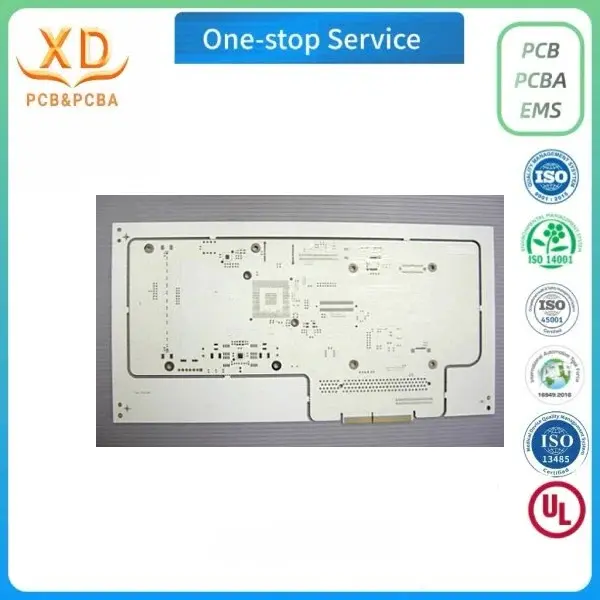
Ceramic PCB Process
l Substrate Material: Alumina (Al₂O₃), 96% / 99% / 99.5% purity grades
l Thermal Conductivity: 15-30 W/mK for 96% Al₂O₃; up to 180-200 W/mK for AlN (optional)
l Dielectric Constant: 9.0-10.0 @ 1 MHz (96% Al₂O₃)
l Breakdown Voltage: ≥ 15 kV/mm
l Operating Temperature Range: -55°C to +850°C
l Surface Roughness: ≤ 0.5 μm (polished)
l Minimum Line Width / Spacing: 0.1 mm / 0.1 mm (thick�film) ; 0.05 mm (thin�film)
l Metallization Options: Ag, Ag-Pd, Au, Cu, Ni/Au plating
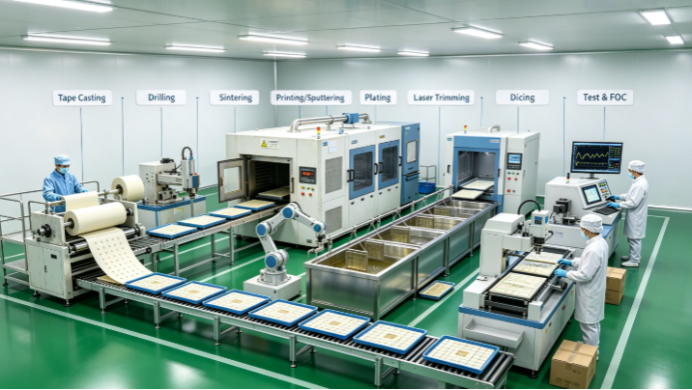
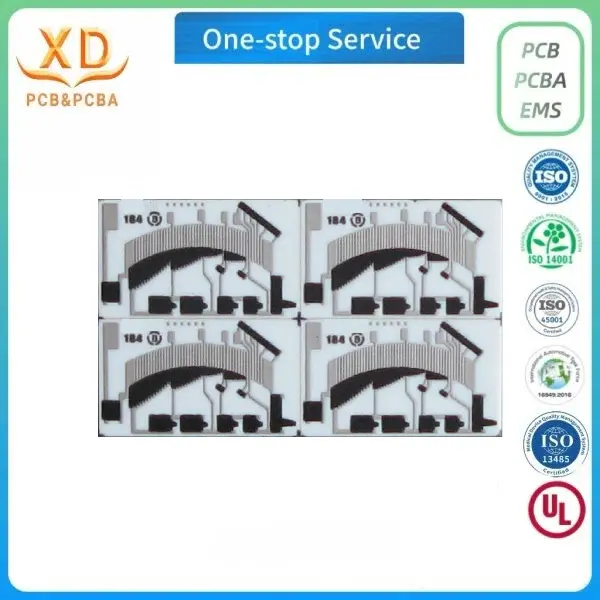
l Circuit Technologies: Thick-film printing / Thin-film sputtering / DBC (Direct Bond Copper)
l Available Types: Single-layer / Double-layer / Multilayer ceramic PCB
l Inspection & Testing: X-ray inspection, dielectric strength testing, thermal cycling test, and AOI
Application Scenarios
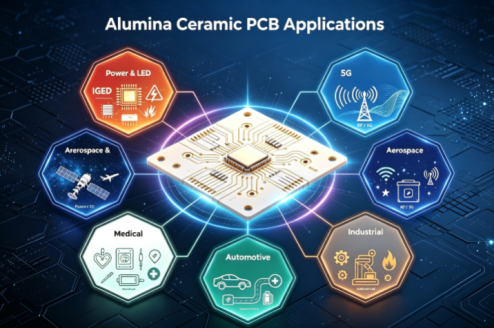
Alumina ceramic PCBs are widely used across multiple high-reliability industries:
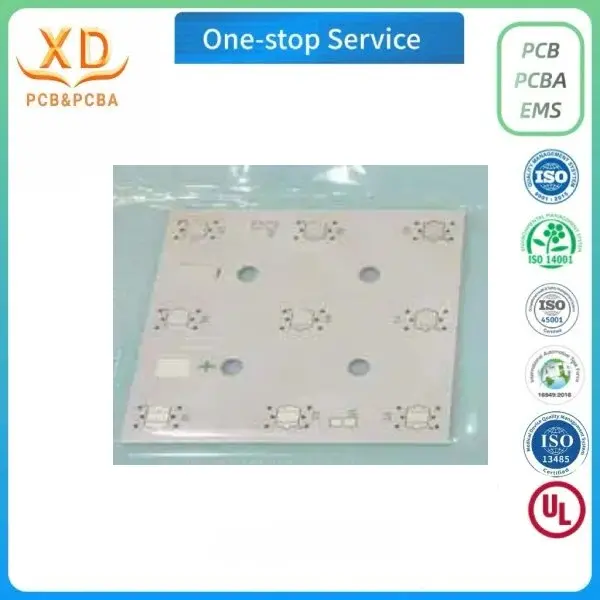
1. Power Electronics & LED Lighting – High-power LED modules, IGBT power modules, and automotive electronics benefit
from alumina PCB's excellent thermal dissipation, ensuring stable operation under high temperature and high power density conditions.
2. RF/Microwave & Telecommunications – Alumina substrates with stable dielectric properties are ideal for RF amplifiers,
microwave filters, antennas, and 5G communication modules, providing low signal loss and high-frequency performance.
3. Aerospace & Defense – Ceramic PCBs are extensively used in avionics, satellite systems, and military electronics where
extreme temperature resistance (-55°C to +850°C) and long-term reliability are critical.
4. Medical Electronics – Implantable medical devices, surgical instruments, and diagnostic equipment leverage alumina's
biocompatibility, chemical inertness, and sterilization resistance.
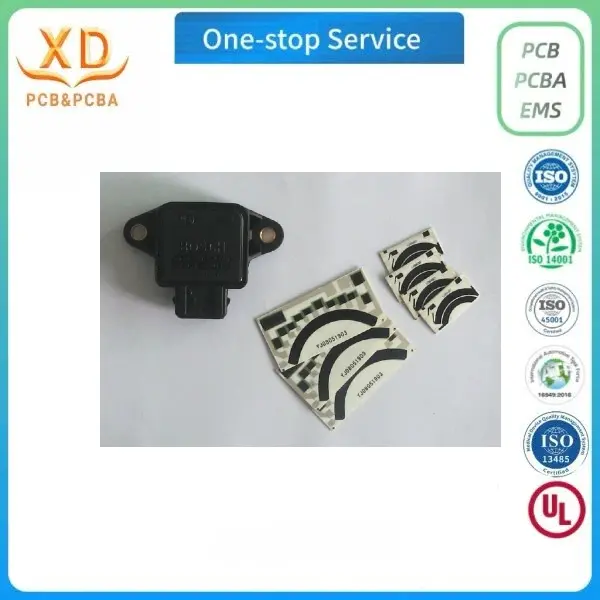
5. Automotive & New Energy Vehicles – Used in battery management systems (BMS), motor controllers, and DC-DC converters
for electric vehicles, where high thermal conductivity and vibration resistance are essential.
6. Industrial & High-Temperature Sensors – Pressure sensors, gas sensors, and thermocouple assemblies in harsh industrial
environments benefit from alumina's mechanical strength and corrosion resistance.

 0755-27781532-8010; 02988446863