0755-27781532-8010; 02988446863













Sep 16, 2026
How to Choose a Reliable China Ceramic PCB Manufacturer for OEM Projects
Sep 02
Intelligent Browse: 156
For OEM electronics manufacturers, choosing the right ceramic PCB supplier is not simply about finding a company that can produce a circuit board. Ceramic PCBs are used in applications where thermal performance, electrical reliability, mechanical stability, and manufacturing precision are important. A supplier that looks capable on paper may not always have the process control or engineering experience required for long-term OEM production.
China has become an important manufacturing base for ceramic circuit boards because of its mature electronics supply chain, manufacturing infrastructure, and ability to support customized production. However, there are still significant differences between manufacturers. Before placing an OEM order, buyers should evaluate the supplier from several practical perspectives, including ceramic material capability, copper processing, PCB structure, quality control, production capacity, and engineering support.
For companies looking for a long-term supplier, Xingda Group's official website provides information about its PCB manufacturing capabilities and product solutions.
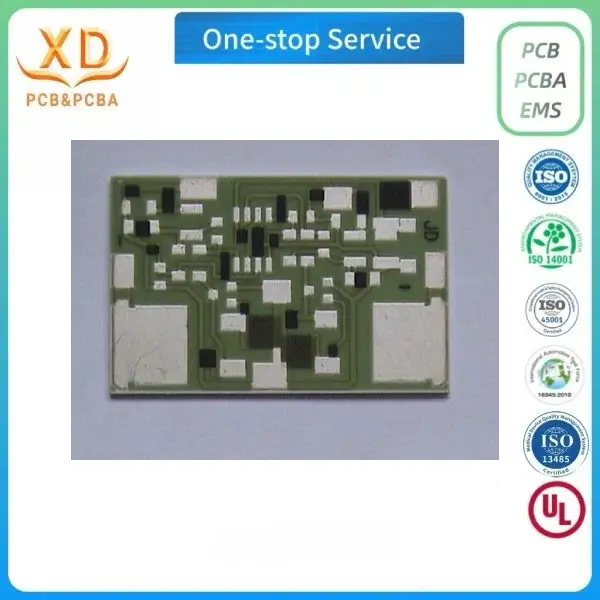
1. Start With the Ceramic Substrate Capability
The ceramic substrate is one of the most important parts of a ceramic PCB. Unlike conventional FR-4 boards, ceramic circuit boards use ceramic materials as the substrate, providing different thermal and electrical characteristics.
For an OEM project, the manufacturer should be able to clearly explain which ceramic materials can be processed and which material is suitable for the intended application.
Alumina ceramic is one commonly used option because of its electrical insulation, thermal characteristics, and stable physical properties. Other ceramic materials may be selected when the application requires different thermal conductivity or electrical performance.
A reliable manufacturer should not simply recommend one substrate for every project. Instead, its engineering team should review factors such as:
- Operating temperature
- Thermal dissipation requirements
- Circuit density
- Copper thickness
- Electrical insulation requirements
- Mechanical dimensions
- Hole structure
- Application environment
This type of engineering evaluation is particularly important for OEM projects because the PCB needs to work as part of a complete electronic system rather than as an isolated component.
2. Check DPC and Ceramic Copper Plating Experience
When selecting a ceramic PCB manufacturer, buyers should pay close attention to the company's copper processing technology.
DPC, or Direct Plated Copper, is an important ceramic PCB manufacturing technology. It allows copper to be formed directly onto the ceramic substrate and can support circuit structures designed for applications requiring good thermal and electrical performance.
For high-power electronic applications, the relationship between the ceramic substrate and copper layer is critical. The manufacturer needs to control the plating process, copper thickness, pattern accuracy, bonding quality, and subsequent processing steps.
A good supplier should be able to provide clear technical information about its DPC ceramic PCB process instead of only describing the product as a "high-performance ceramic PCB."
When evaluating a supplier, OEM buyers can ask:
- What ceramic substrates are available?
- What copper thicknesses can be manufactured?
- Can the manufacturer support DPC ceramic copper plating?
- What circuit dimensions and tolerances can be achieved?
- How are copper adhesion and surface quality controlled?
- Can the supplier manufacture prototypes before mass production?
These questions help distinguish a manufacturer with actual process capability from a trading company that mainly outsources production.
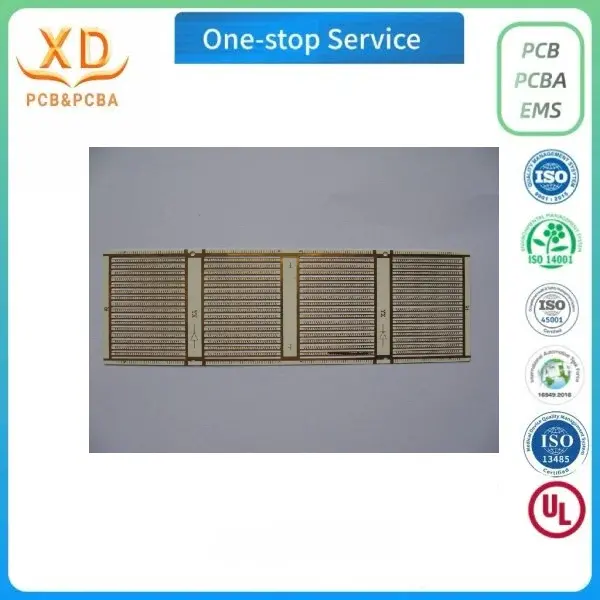
3. Evaluate Thick Copper PCB Manufacturing Capability
Some OEM applications require more than a standard copper layer. Power electronics, industrial equipment, automotive electronics, and other demanding applications may require thick copper ceramic PCBs.
Thicker copper can help support higher current requirements and improve the heat transfer path between the electronic component and the substrate. However, increasing copper thickness also creates additional manufacturing challenges.
The supplier should have appropriate equipment and process controls for copper formation, etching, plating, drilling, surface treatment, and inspection.
For OEM buyers, the important point is not simply whether a supplier says it can produce "thick copper PCB." The manufacturer should be able to match the copper structure with the ceramic substrate, circuit design, and intended electrical load.
This is where engineering communication becomes important. A reliable supplier should review the customer's Gerber files, drawings, specifications, and application requirements before confirming production.
4. Look at Hole Filling and Circuit Structure
Hole filling is another technical factor worth checking when selecting a ceramic PCB manufacturer.
As circuit designs become more compact, vias and other interconnection structures can have a direct impact on PCB layout and reliability. For certain high-density or customized ceramic PCB designs, proper hole filling and via processing can help meet the required electrical and structural specifications.
OEM buyers should therefore ask whether the manufacturer has experience with:
- Through holes
- Vias
- Hole filling
- Fine circuit patterns
- Multilayer structures where applicable
- Customized pad designs
- Special surface treatments
The supplier should also be able to explain its inspection methods for these structures.
Instead of choosing a supplier based only on a product catalog, it is better to send the actual PCB design to the manufacturer and ask for a technical review. This can reveal whether the supplier understands the practical manufacturing challenges of the design.
5. Check ENIG and Surface Treatment Options
Surface treatment can affect solderability, electrical connection, corrosion resistance, and the overall reliability of a PCB.
ENIG, or Electroless Nickel Immersion Gold, is one surface treatment option used for electronic circuit boards. For ceramic PCB projects, buyers should confirm whether the supplier can provide the required surface finish and whether it is compatible with the intended assembly process.
For OEM production, surface treatment should be considered together with:
- Component assembly requirements
- Soldering process
- Contact requirements
- Storage conditions
- Operating environment
- Required product lifetime
A professional PCB manufacturer should be able to discuss these factors with the customer rather than treating surface treatment as an isolated production step.
6. Consider the Manufacturer's OEM Engineering Support
OEM PCB production often involves more than reproducing a finished drawing. During prototype development, manufacturers may need to identify potential production issues and communicate with the customer's engineering team.
A reliable ceramic PCB supplier should be able to support the project through several stages:
Design review → Prototype → Testing → Process adjustment → Pilot production → Mass production
This workflow reduces the risk of discovering manufacturing problems after the project has already entered mass production.
For example, a ceramic substrate may have different processing requirements from a conventional PCB. Copper thickness, hole dimensions, thermal requirements, and circuit geometry may all affect manufacturability.
An experienced supplier should be willing to raise these issues before production rather than simply accepting the design and waiting for problems to appear.
7. Investigate Manufacturing Experience and Company Background
Company experience is another useful indicator when selecting a PCB manufacturer.
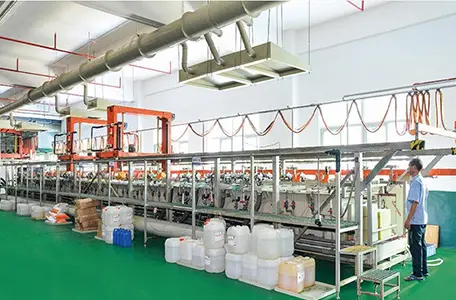
Xingda Group was established in 2011 and specializes in the production of various types of circuit boards. For OEM customers, a supplier with a dedicated PCB manufacturing background can provide a more direct communication channel between engineering, production, and quality control.
When evaluating a Chinese manufacturer, buyers should look beyond the company introduction and check practical information such as:
- Manufacturing facilities
- Main PCB product categories
- Production processes
- Quality management
- Engineering team
- Inspection equipment
- OEM/ODM experience
- Prototype support
- Export experience
The objective is to determine whether the supplier has the infrastructure to support the complete project rather than only one production process.
8. Review the Ceramic PCB Product Before Requesting a Quote
Before starting an OEM project, it is useful to review the manufacturer's actual ceramic PCB product information.
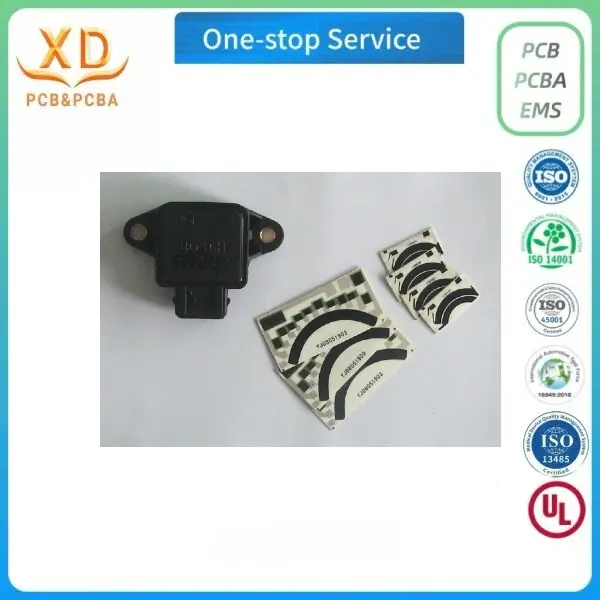
Xingda Group Ceramic PCB product page
The product page can be used as a starting point for understanding the manufacturer's ceramic PCB offering. Buyers can then provide their own drawings and technical requirements for further evaluation.
When communicating with a manufacturer, prepare as much technical information as possible, including:
- Gerber files
- PCB dimensions
- Ceramic material
- Copper thickness
- Surface finish
- Hole specifications
- Layer requirements
- Operating temperature
- Electrical requirements
- Expected annual quantity
- Prototype requirements
Providing complete information helps the manufacturer evaluate the project more accurately and reduces unnecessary communication during the development stage.
9. Do Not Choose a Supplier Based on One Specification
One common mistake in PCB sourcing is choosing a supplier because it meets one technical specification.
For example, a manufacturer may offer thick copper, but that does not automatically mean it is the best choice for a thick copper ceramic PCB project. Another supplier may offer alumina substrates but have limited experience with customized circuit structures.
OEM buyers should evaluate the complete manufacturing chain.
A suitable supplier should ideally combine:
Ceramic substrate capability + copper processing + circuit manufacturing + hole processing + surface treatment + inspection + engineering support
This integrated capability is especially valuable when the product has strict thermal or electrical requirements.
10. Build a Long-Term OEM Partnership
The best ceramic PCB supplier is not necessarily the company with the largest product catalog. For OEM projects, consistency is often more important.
Once a PCB enters regular production, the manufacturer needs to maintain stable processes from batch to batch. Changes in material, copper thickness, circuit dimensions, or surface treatment can affect the final electronic assembly.
For this reason, buyers should discuss how the supplier manages:
- Incoming material inspection
- Process control
- Finished PCB inspection
- Production records
- Batch traceability
- Engineering changes
- Quality feedback
- Reproduction of approved samples
A supplier that treats the prototype as the beginning of a long-term manufacturing relationship is generally more suitable for OEM cooperation than one focused only on individual orders.
Final Thoughts
Choosing a reliable China ceramic PCB manufacturer requires more than comparing product descriptions. OEM buyers should examine the manufacturer's ceramic substrate capability, DPC ceramic copper plating experience, thick copper processing, hole filling, ENIG surface treatment, engineering support, quality control, and production consistency.
Ceramic PCBs are often selected for applications where thermal management, electrical performance, and reliability are important. Therefore, the manufacturer's process capability should match the actual requirements of the project.
Xingda Group, established in 2011, focuses on the production of various circuit boards and provides ceramic PCB solutions for customers seeking customized PCB manufacturing. For OEM buyers, the next practical step is to provide the manufacturer with the PCB design, ceramic material requirements, copper thickness, hole structure, surface treatment, and application conditions for engineering evaluation.
Choosing the right supplier at the beginning of the project can make prototype development smoother, reduce manufacturing risks, and provide a stronger foundation for stable long-term OEM production.
Label: